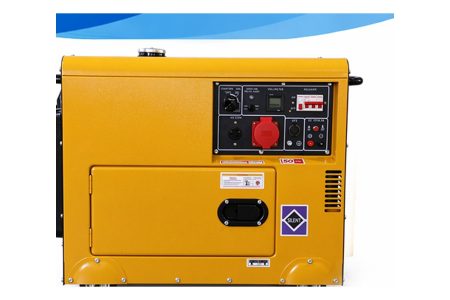
 Silent Type
CN04GF 3 kW Single-Cylinder Silent Diesel Generator Set
3 kW ≈ 3.8 kVA 110V
Model CN04GF · 178F engine · 70-75 dB(A) · 14 h continuous running
Factory direct price · reply within 24 hours
View Details
If you are importing generator sets from China for the first time, the machine itself is rarely what causes problems. The delays, extra charges and customs holds almost always come from documentation, payment terms or freight decisions made before the order was placed.
This guide covers the practical side: what documents you need, how payment is normally structured, and how to plan container loading so freight does not eat your margin.
Every consignment needs all of these, and missing any one of them will stop the container at the port:
A manufacturer who exports regularly will provide all of this as standard, without being asked twice. If you find yourself chasing documents after the container has sailed, that is worth noting for next time.
The standard arrangement for a first order is 30% deposit by T/T, 70% against the B/L copy. This protects both sides: the deposit covers the manufacturer’s material cost, and the balance is released only once the goods are demonstrably on board.
The 70% should be paid against a copy of the bill of lading — not against a promise that it will be issued. After payment you should receive the original B/L or a telex release within a few days.
A Letter of Credit is the alternative. It costs more in bank charges and takes longer to arrange, but it is worth considering for a first order above roughly USD 50,000, or where you have no trading history with the supplier.
What to avoid: paying 100% up front, and paying into a personal account rather than a company account. Both remove your only real leverage if something goes wrong.
Sea freight for generator sets is usually quoted per container, so units per container directly determines your landed cost per unit.
As a rough reference for small sets:
Exact figures depend on canopy type — silent sets are bulkier than open frame — and on packing method. Always ask for the manufacturer’s container loading plan before finalising, because it tells you whether your order is worth shipping as-is or should be topped up with another model.
Mixed models are usually possible. If your first order is small, ask whether several models can share one container. That lets you test the market without committing a whole container to a single size — a common approach for distributors entering the small generator segment.
Generator sets generally fall under HS heading 8502 (electric generating sets). Sub-headings differ by output range and by whether the set is diesel or gasoline powered. Welder-generator combinations may classify differently again.
Ask your supplier for the HS code they normally declare, then confirm it with a customs broker in your own country. Duty rates vary considerably between markets, and some countries apply additional levies on generating equipment.
For small generator sets, working directly with the factory has two practical advantages. First, technical questions get answered by someone who knows the production line, not a sales intermediary. Second, spare parts remain available years later, because the same factory still builds the model.
If you are sourcing generator sets in the 1–18 kW range — diesel, gasoline or welder models — and you want the full specification list and container loading data, send us an email or message us on WhatsApp. We will tell you honestly which models suit your market and which do not.
Silent Type
Model CN04GF · 178F engine · 70-75 dB(A) · 14 h continuous running
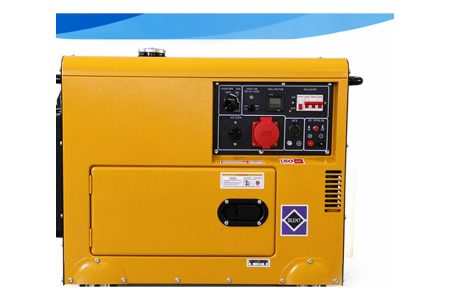 Silent Type
Model CN06GF · 188F engine · 70-75 dB(A) · 14 h continuous running
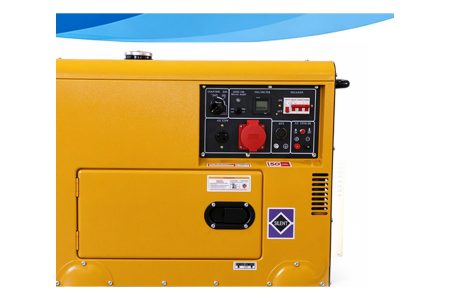 Silent Type
Model CN07GF · 190F engine · 70-75 dB(A) · 13 h continuous running
Send us your equipment list and site conditions, we will recommend a model.