
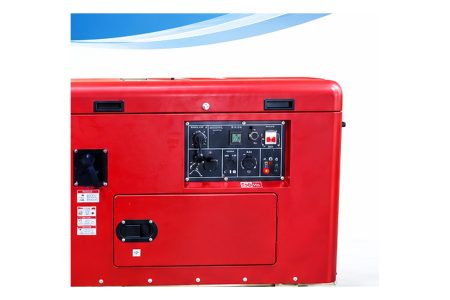
 Gasoline Silent
CN06GF 5 kW Silent Gasoline Generator Set
5 kW ≈ 6.2 kVA 220V
Model CN06GF · 188F engine · 70-75 dB(A) · 10-12 h continuous running
Factory direct price · reply within 24 hours
View Details
When a distributor asks us what to put in their first container, the answer is rarely “more generators”. The question that decides whether they keep a customer for the next five years is simpler: when that generator breaks down, how fast can you fix it?
In markets where a generator is the primary power source rather than a backup, downtime is measured in lost production. The distributor who can supply a fuel filter the same day wins the next order. The one who says “we’ll have it in six weeks” does not.
This guide covers what to stock, in what quantity, and how to plan the first order.
These are consumables. Every unit in the field will need them within the first 500 operating hours, and they should never be out of stock:
Starting ratio: for every generator in your first order, bring 3–4 sets of the Tier 1 consumables. This sounds excessive until you consider that each unit will need its first service within weeks of installation, and that a single filter is worthless on its own — customers buy them in service kits.
These are the failures that happen in the first one to three years, and where a two-month wait is unacceptable:
Starting ratio: roughly one unit per 5–10 generators sold, weighted toward the models you expect to sell most of. Don’t spread this evenly across the whole range — a distributor selling ten times as many 8 kW sets as 18 kW sets should stock accordingly.
These are catastrophic-failure parts. They are expensive to hold, rarely needed, and when they are needed the customer usually replaces the whole machine rather than rebuilding it. Order them against a specific job, not as stock.
Rather than stocking individual filters, ask your supplier to pack service kits — one box containing oil, air and fuel filter for a specific model. Manufacturers who export regularly will do this on request.
Three advantages: your counter staff cannot pick the wrong filter, the customer sees one price instead of four, and your inventory count is simpler. Kits also make an easy add-on sale: “one kit with every generator” is a much easier pitch than three separate part numbers.
Filters and rubber components degrade. Belts crack, filter elements absorb moisture, and fuel system seals dry out. Practical rules:
Spare parts availability is not a “nice to have” — for a distributor it is the whole business model. Before committing to a supplier, ask three specific questions:
A supplier who cannot answer those three clearly will cost you customers, regardless of how good the generator price looked.
We manufacture small diesel and gasoline generator sets from 1 kW to 18 kW, and we supply service kits and spare parts alongside every order — including parts support for models sold years ago. If you would like a parts list with exploded diagrams for the models you are considering, send us a message.
Gasoline Silent
Model CN06GF · 188F engine · 70-75 dB(A) · 10-12 h continuous running
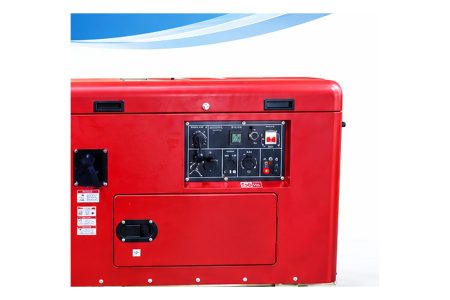 Gasoline Silent
Model CN07GF · 190F engine · 70-75 dB(A) · 10-12 h continuous running
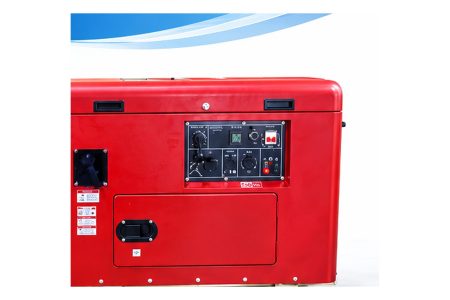 Gasoline Silent
Model CN08GF · 190F engine · 65-70 dB(A) · 10-12 h continuous running
Send us your equipment list and site conditions, we will recommend a model.